
Revolutionizing Retail: How Automation and AI Are Shaping E-commerce in 2026
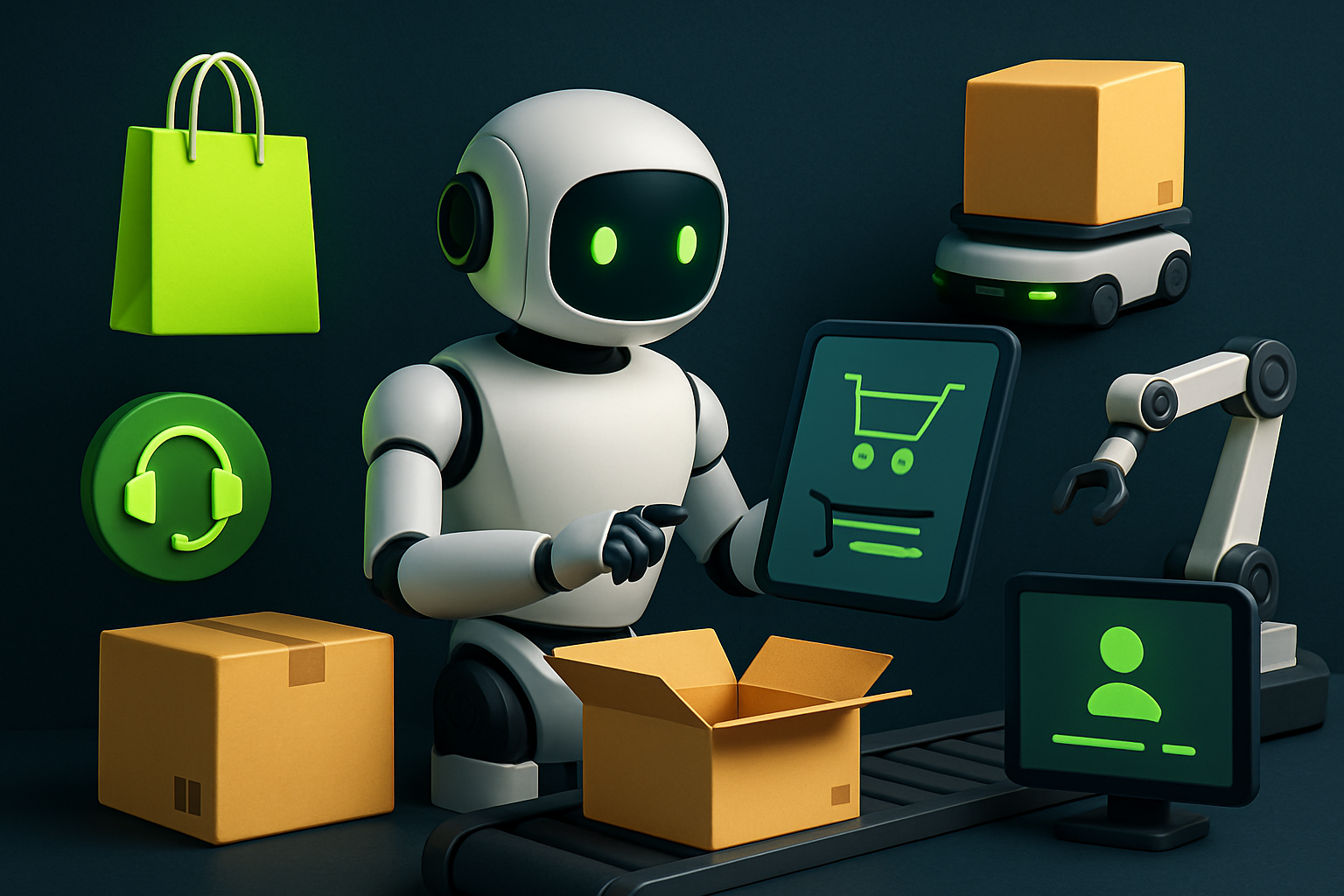
In the dynamic world of e-commerce, 2026 is witnessing transformative shifts driven by automation and artificial intelligence (AI). As these technologies mature, they are fundamentally altering how businesses engage with customers and manage operations. The fusion of AI and automation is enabling an unprecedented level of personalization and efficiency in the shopping experience.
Customer Experience Transformation
One of the most significant impacts of AI in e-commerce is its ability to personalize customer interactions. AI tools can analyze vast amounts of data to understand consumer preferences, behaviors, and needs. This allows businesses to tailor their offerings, creating a custom shopping experience for each individual. For example, AI can recommend products based on past purchases or browsing history, ensuring that customers only see items that are most relevant to their interests.
- Personalized recommendations driven by AI increase sales conversions.
- AI chatbots offer real-time assistance, enhancing customer support.
- Predictive analytics help anticipate customer needs and stock levels.
Beyond personalized recommendations, AI-driven chatbots are revolutionizing customer support. Available 24/7, these chatbots provide instant answers to queries, assist with order tracking, and handle returns efficiently. This level of service improves customer satisfaction while reducing the workload on human employees.
Operational Efficiency and Supply Chain Management
Automation and AI are also optimizing backend processes, particularly in supply chain management. Automated systems can predict demand, control inventory, and manage logistics with precision. This is crucial for maintaining a balance between supply and demand, minimizing storage costs, and ensuring timely deliveries.
- Inventory management becomes smarter and anticipates demand spikes.
- Logistics processes are streamlined through AI-driven routing algorithms.
- Automated warehousing reduces human error and improves accuracy.
Furthermore, by integrating AI into warehousing, e-commerce companies can automate sorting, packaging, and shipping tasks. This not only reduces human error but significantly speeds up the entire delivery process, leading to happier customers and increased brand loyalty.
The Future Outlook
As we move forward, the integration of AI and automation in e-commerce is set to deepen. Advanced machine learning models will continue to refine personalization tactics, ensuring businesses can meet and exceed customer expectations. Moreover, the continued investment in AI tools will likely expand into areas such as product development and marketing, opening new channels for innovation and growth.
With these advancements, e-commerce businesses must embrace AI and automation to remain competitive. By leveraging these technologies, they can enhance customer experiences, boost operational efficiency, and ultimately drive growth in an ever-evolving marketplace.


