
Harnessing Automation for E-commerce Success in 2026
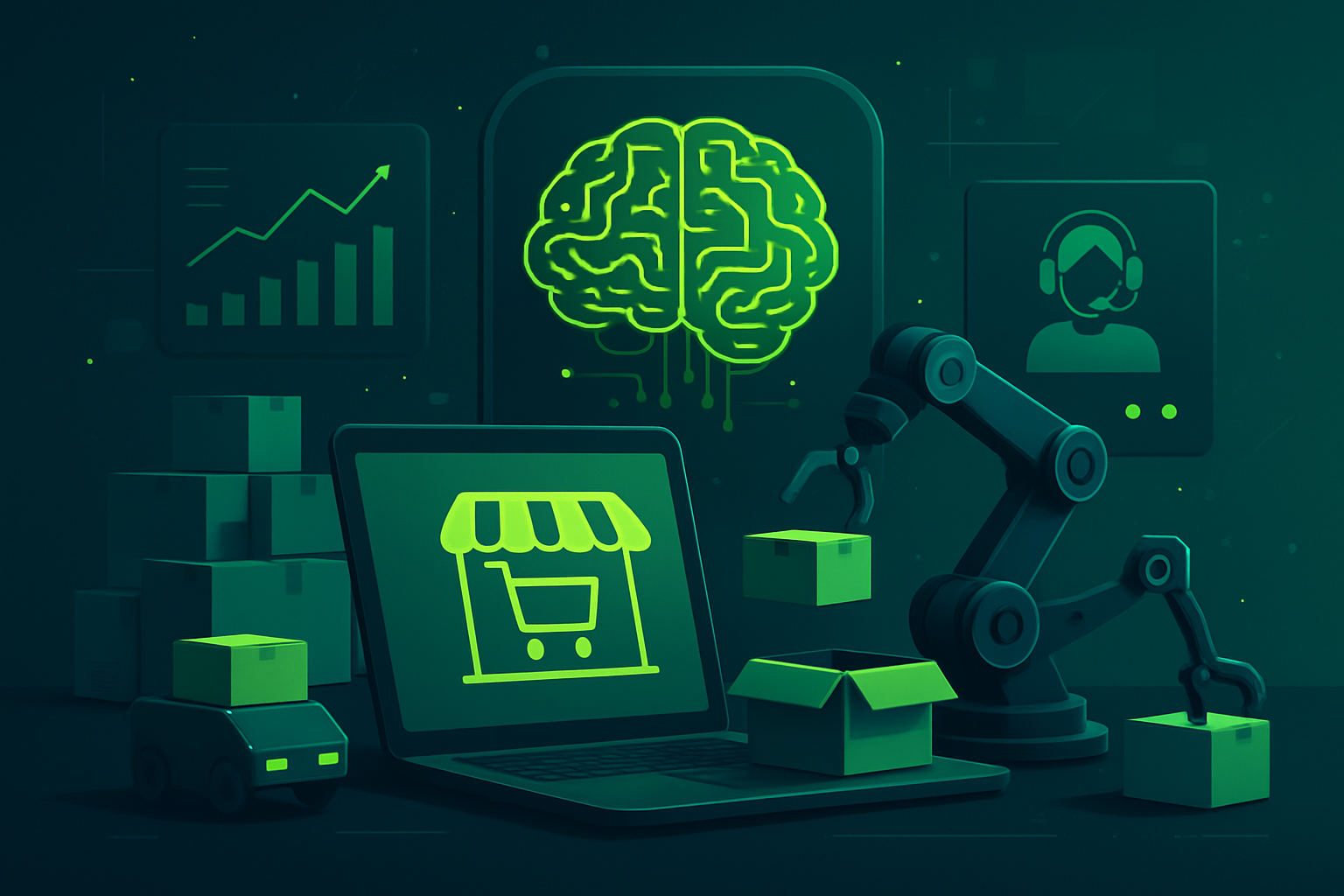
In the dynamic world of e-commerce, staying ahead of the competition requires more than just offering great products. As we find ourselves in 2026, automation has emerged as a crucial component for businesses looking to enhance efficiency, reduce costs, and improve customer experiences.
Automation tools are revolutionizing how e-commerce businesses operate, enabling them to streamline complex processes and focus on scaling and innovation. Here’s how automation is reshaping the e-commerce landscape today.
Streamlining Operations
E-commerce businesses face numerous challenges, from inventory management to order fulfillment. Automation plays a vital role in streamlining these operations, ensuring that tasks such as inventory tracking, order processing, and shipment notifications are handled seamlessly. This not only saves time but also reduces the risk of human error.
Automated systems can also optimize supply chain management by predicting demand, adjusting stock levels accordingly, and ensuring timely delivery. This level of efficiency helps businesses meet customer expectations and maintain a competitive edge.
Enhancing Customer Experience
Automation significantly improves customer service by providing rapid, personalized responses. Chatbots, powered by AI, offer instant support, resolving queries and handling complaints efficiently. These bots can operate 24/7, ensuring that customers can get assistance whenever they need it, thus enhancing customer satisfaction and loyalty.
Moreover, by automating personalized marketing campaigns through email and social media, businesses can deliver targeted promotions that resonate with their audience, leading to higher conversion rates and increased sales.
Leveraging AI for Insights
Artificial Intelligence is a powerful ally in the e-commerce realm, providing invaluable insights through data analytics. AI tools analyze consumer behavior, predicting trends and identifying opportunities for growth. This predictive capability allows businesses to make data-driven decisions, enhancing product offerings and refining marketing strategies effectively.
With automated AI systems, e-commerce businesses can continuously gather and analyze data, offering strategic insights that were previously unimaginable. This facilitates better resource allocation and more informed decision-making.
Improving Supply Chain Resilience
Supply chain stability is critical for any e-commerce operation. Automation enhances resilience by optimizing logistics and reducing bottlenecks. For instance, automating supply chain processes allows businesses to quickly adjust to disruptions, maintaining continuity and reliability.
Additionally, automation supports just-in-time inventory management, minimizing the risks associated with overstocking or stockouts. This balance is crucial for maintaining operational efficiency and profitability.
Future-Proofing Business Models
As the digital landscape continues to evolve, adopting automation is a strategic move to future-proof e-commerce businesses. Enterprises that embrace these technologies not only enhance their current operations but also position themselves to adapt swiftly to future changes and challenges.
The use of advanced automation technologies in e-commerce is no longer optional; it’s a necessity for businesses that aim to thrive in today’s competitive market. By reducing operational burdens and enhancing customer interactions, automation empowers businesses to focus on growth and innovation.


