
Harnessing Automation: Key Trends and Innovations Reshaping Marketing in 2026
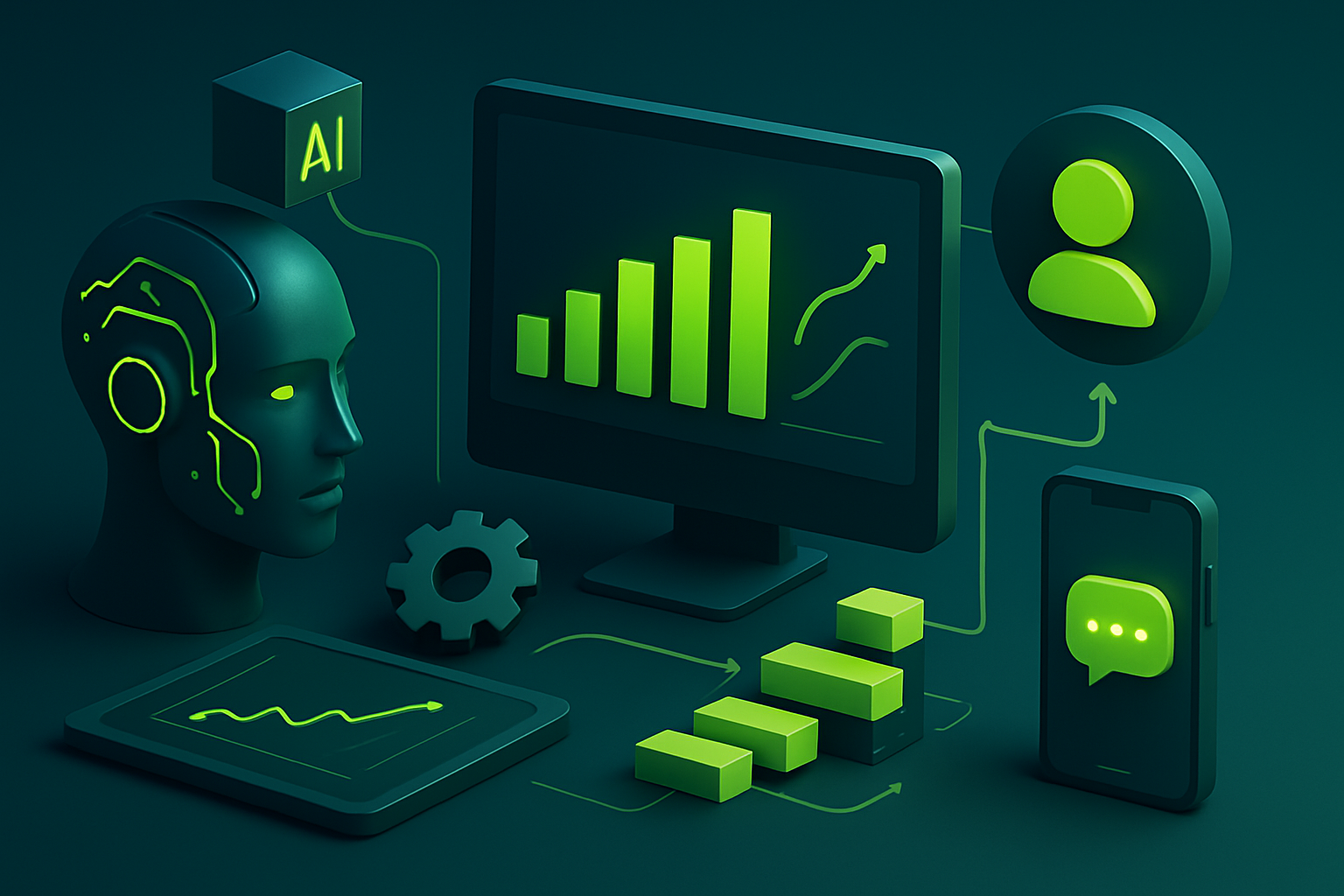
Automation in marketing has evolved significantly over the past few years, becoming a cornerstone of modern digital strategies. In 2026, the fusion of advanced AI tools and automation technologies is forging new pathways for more personalized and effective marketing campaigns.
One of the most profound shifts is the integration of predictive analytics into marketing processes. By leveraging massive datasets, marketers can anticipate consumer behaviors and adjust in real time, enhancing relevance and engagement. Predictive models are now not only accessible but central to strategy formulation, enabling businesses to stay ahead of market trends with precision.
AI tools have become indispensable in processing vast information and deriving actionable insights. These tools empower marketers to automate repetitive tasks, such as sorting customer queries, personalizing emails, and automating content marketing workflows. This shift not only saves time but heightens accuracy, translating customer data into personalized experiences that resonate with individual preferences.
Another significant development is the rise of no-code platforms that democratize the ability to develop and deploy marketing solutions. These platforms enable marketers, regardless of their technical expertise, to build sophisticated automation workflows. The accessibility of these tools is fostering innovation, enabling small businesses to compete with larger enterprises through customized automations that meet their specific needs.
As businesses become more sophisticated in their use of automation, the focus is increasingly on integration. Siloed operations are giving way to cohesive strategies where CRM systems, social media platforms, and analytics tools are integrated seamlessly. This holistic approach facilitates a 360-degree view of customer interactions, allowing for tailored marketing strategies and improved engagement outcomes.
The development of AI and automation tools is not limited to large corporations. Small businesses too are capitalizing on low-cost AI solutions to automate customer support via chatbots, manage email campaigns, and segment audiences. The scalability of these solutions ensures that businesses of all sizes can benefit from enhanced efficiency and productivity.
Looking ahead, marketers will need to align automation strategies with privacy laws and data protection. As automation becomes more advanced, balancing personalization with privacy concerns will be crucial. Ensuring compliance while maintaining customer trust will require robust data governance frameworks.
In conclusion, the ongoing advancements in automation technologies are reshaping the marketing landscape. With predictive analytics and AI tools at the forefront, marketers are better equipped to craft personalized, data-driven strategies. Embracing these innovations will not only enhance operational efficiencies but also enable businesses to forge deeper connections with their audiences.


