
Unleashing the Power of AI in Marketing: A 2026 Perspective
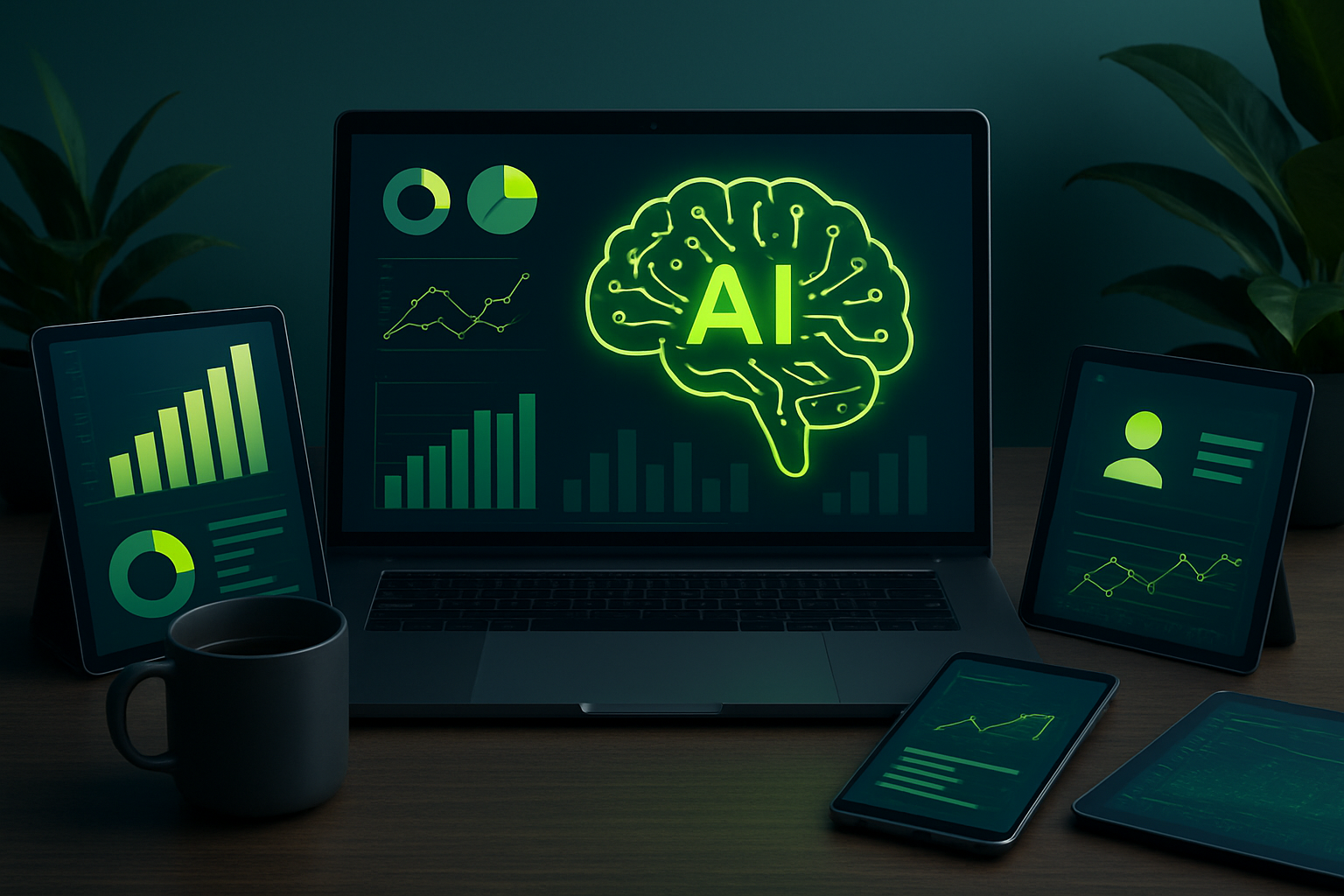
In the fast-paced digital landscape of 2026, artificial intelligence (AI) has firmly established itself as a cornerstone of effective marketing strategies. With the ability to analyze vast datasets and predict consumer behavior with remarkable accuracy, AI empowers marketers to not only reach broader audiences but also target them with unprecedented precision.
The integration of AI in marketing strategies has introduced a range of advanced capabilities. For instance, AI-powered tools now offer real-time analytics that illuminate customer interactions, enabling marketers to refine their outreach strategies dynamically. These insights help businesses tailor campaigns to meet individual preferences, contributing to a more personalized customer experience.
One significant advancement lies in customer segmentation. AI algorithms can dissect consumer data to identify distinct patterns and trends, which allows companies to segment their audience into highly defined groups. This enables marketing teams to craft personalized content that resonates on a deeper level, improving engagement rates and conversion metrics significantly.
Moreover, AI has transformed the realm of content marketing. Tools capable of generating comprehensive, relevant, and creative content now exist, reducing the workload for copywriters while maintaining high-quality output. These systems can adjust the tone and style according to audience preferences, ensuring that messaging aligns with the brand voice seamlessly.
The shift towards predictive analytics is another game-changer brought about by AI. By leveraging historical data, AI can forecast future trends, enabling brands to stay ahead of the curve. This foresight facilitates strategic planning, helping businesses allocate resources more effectively and anticipate market shifts before they occur.
Despite its numerous benefits, integrating AI into marketing strategies comes with challenges. Marketers must ensure that AI systems are transparent and that the data used is ethically sourced and secure. Additionally, maintaining a human touch in areas like customer service is crucial to fostering genuine connections with audiences.
Looking forward, the potential for AI in marketing is immense. As technology continues to evolve, marketers should focus on harnessing AI’s capabilities to enhance customer experiences further, inventing new ways to engage and retain customers.


