
The Impact of AI on Modern Marketing Strategies
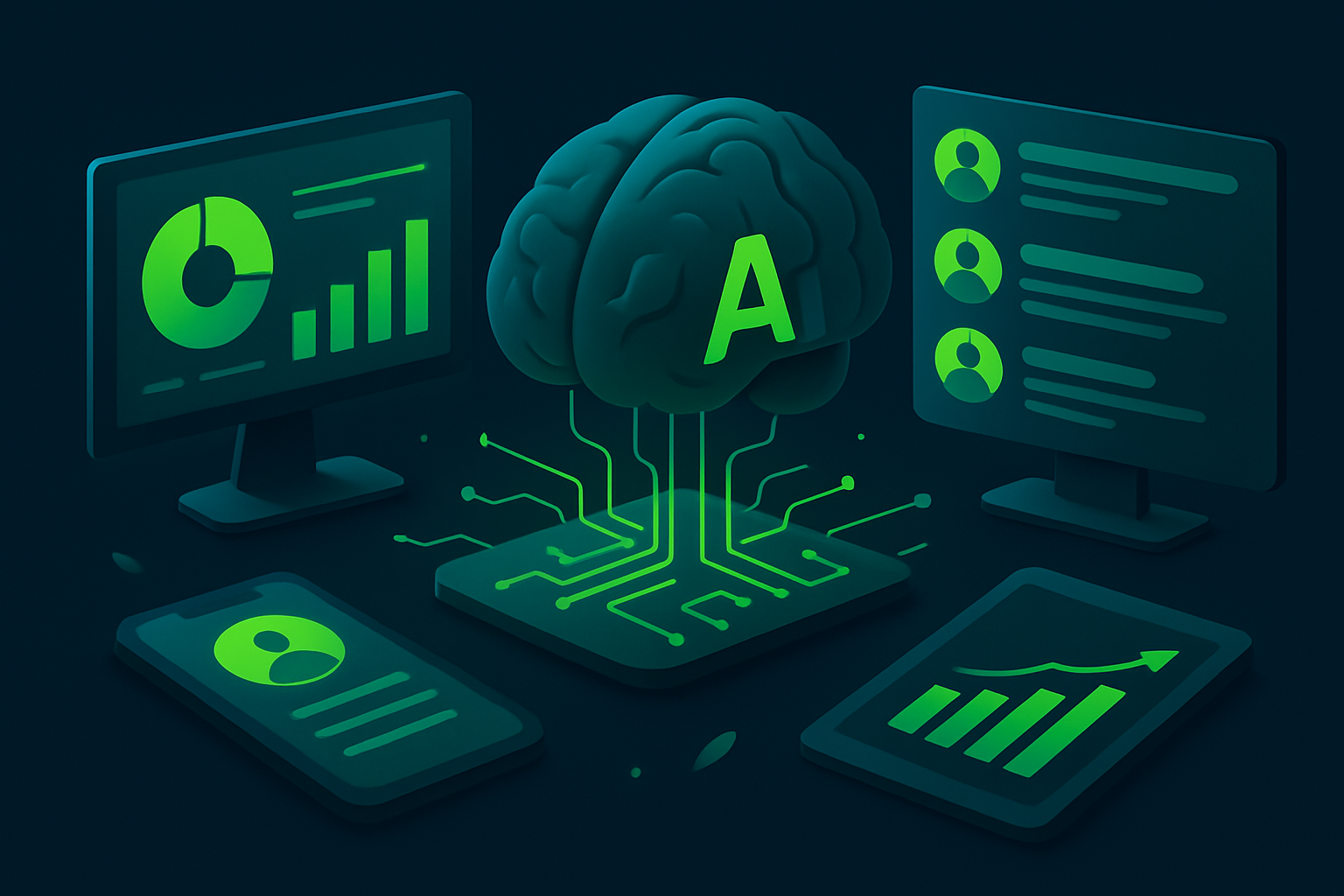
Artificial Intelligence (AI) continues to revolutionize the marketing landscape, offering a suite of tools that businesses leverage to optimize their strategies. Today’s marketers are finding that AI isn’t just an advantage—it’s becoming a necessity. Personalization, customer engagement, and campaign management are some of the key areas where AI implementation is driving extraordinary results.
AI enables unprecedented levels of personalization by analyzing extensive data sets to understand consumer behavior better. Companies can now deliver tailored content, discounts, and product recommendations, drastically enhancing the customer experience. This personalization boosts customer satisfaction, which in turn, fosters consumer loyalty and advocates.
Beyond personalization, AI enhances customer engagement. Virtual assistants and chatbots have become standard on many platforms, providing real-time interaction and support. Available 24/7, these tools gather data from their interactions, enabling continuous improvement and the ability to handle complex inquiries over time.
Streamlined campaign management is another boon of AI technology. AI-driven analytics allow for more informed decision-making by predicting trends and audience responses, making the cumbersome task of data sifting a thing of the past. Automation further empowers marketers to implement these insights swiftly, freeing up time to focus on creative strategies and building better campaigns.
- Improved Customer Insights
- Effective Resource Allocation
- Increased Operational Efficiency
- Significant Return on Investment (ROI)
The advantages of AI in marketing extend to resource allocation and efficiency. Automated data processing and machine learning algorithms offer insights that can direct resources where they’ll impact the most. With AI handling routine tasks, marketing teams can focus on strategic initiatives, boosting creativity and execution speed.
Moreover, the impact on ROI is substantial. AI provides a more profound understanding of market dynamics, leading to better-targeted campaigns and a higher conversion rate. By reducing human error and increasing operational efficiency, AI maximizes every dollar spent.
AI’s role in marketing isn’t just about improving current processes; it’s about innovation and staying ahead of the competition. Those who embrace these technologies fully will not only enhance their current efforts but also lay a robust foundation for future advancements. As AI continues to evolve, its capacity to transform marketing will only grow, offering even greater opportunities for business success.
In conclusion, AI’s integration into modern marketing strategies is setting new standards for what can be achieved. It represents more than just a tool; it’s part of a process that, when used strategically, paves the way for more successful and efficient marketing efforts.


